
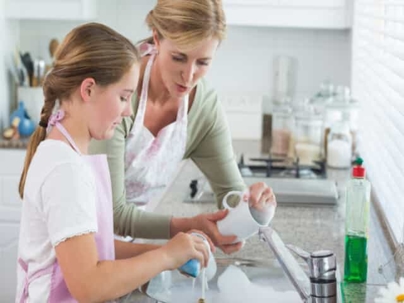
The busiest part of a holiday meal often begins after everyone leaves the table and the pans, plates, and serving dishes head for the sink. Cooking grease shouldn’t go into the drain, even when it is liquid and followed by hot water.
A kitchen clog rarely feels urgent until the sink stops draining during cleanup. A few careful choices before and during the meal can keep food waste from becoming a blockage deeper in the plumbing.
Grease Solidifies Inside Drainpipes
Fats, oils, and grease cling to pipe walls as they cool. Hot water carries grease farther down the line but doesn’t keep it liquid. The grease can harden in the drain trap or a larger pipe, where it catches debris and gradually restricts flow.
Keep a heat-safe container near the stove for bacon drippings, turkey fat, frying oil, butter-heavy sauces, and pan drippings. Let the grease cool, seal the container, and place it in the trash. Before washing greasy pots and pans, wipe them with a paper towel to remove residue that would otherwise enter the drain.
Brevard County Utility Services warns that grease entering the sewer can cause buildup and blockages. Central Florida’s warm weather doesn’t make grease safe for plumbing because it still cools as it moves away from the sink.
Holiday Food Scraps That Cause Jams & Clogs
Many holiday food scraps look harmless, especially when the sink has a garbage disposal. A disposal handles small amounts of suitable food residue, but it isn’t built to process everything left from a holiday meal.
Sort these scraps into the trash or compost before rinsing dishes:
- Starchy Foods
Potato peels, rice, and pasta absorb water. They can swell or form a sticky paste that gums up a disposal and drain line. - Fibrous Vegetables
Celery, asparagus, and corn husks contain long fibers that can wrap around garbage disposal components and cause a jam. - Hard Food Waste
Bones and fruit pits are too hard for a garbage disposal. Put them in the trash rather than risking damage to the unit. - Fine Particles
Coffee grounds and eggshells can combine with grease or soap scum and contribute to a clog. Put them in the trash or compost.
When several people are clearing plates, place a scrap bowl beside the sink instead of leaving guests to decide what belongs in the disposal. That simple setup keeps a large amount of food debris out of the pipes.
Keep Guest Bathroom Waste Out of the Toilet
A full house also puts more demand on bathroom plumbing. Toilet paper breaks apart in water, but many paper and hygiene products don’t.
Wipes labeled flushable don’t break down like toilet paper. The local utility notes that they can clog homeowner sewer lines, catch in lift station pumps, and contribute to sewer overflows or backups. Put wipes, paper towels, dental floss, and hair in a lined trash can instead of flushing them or rinsing them down the sink.
Place a visible wastebasket in each guest bathroom to make proper disposal easy. If young children are visiting, empty the bathroom trash regularly so wipes and other items don’t end up in the toilet.
Use a Simple Holiday Cleanup Routine
Scrape plates into the trash or compost before rinsing them. This prevents the disposal from receiving a heavy load of food scraps at once and makes cleanup easier when the kitchen is crowded.
Place a sink strainer over the drain opening to catch loose food and debris. Empty it into the trash as needed, particularly after peeling vegetables or washing dishes. A strainer also shows you what would otherwise have entered the plumbing.
Common clog contributors include grease, food scraps, hair, soap scum, and mineral buildup. Limiting preventable debris is especially important when a drain already has a developing restriction.
Recognize the Signs of a Developing Clog
Slow drainage, gurgling, sewer odors, and water rising in the second basin of a double sink indicate that a clog is forming or worsening. Stop sending food waste and grease through the affected fixture when these signs appear. A full backup is far more disruptive when guests are using the kitchen and bathrooms.
Don’t pour chemical drain cleaner into a backed-up sink. These products can damage pipes or push a blockage deeper into the plumbing. The appropriate repair depends on the location and cause of the obstruction.
We use video camera inspections to locate drain problems, then select mechanical snaking or cabling when appropriate. For certain types of buildup, hydro-jetting uses high-pressure water to clear material that a basic cable can’t fully remove.
Careful disposal prevents many holiday clogs, but persistent slow drains, recurring clogs, and backups require proper diagnosis. Contact Dial Duron Service Co. for drain cleaning in Brevard County at (321) 341-3625.